
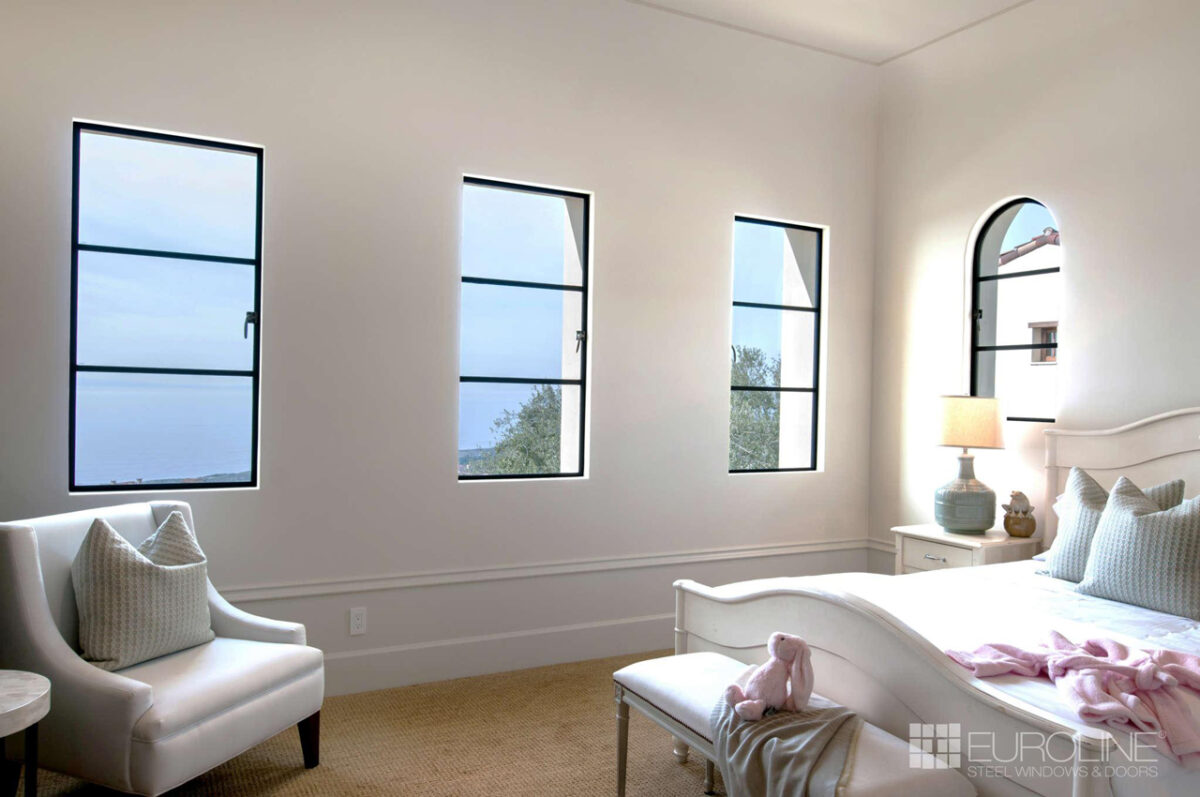
Choosing the right type of windows for your home or building can be a daunting task, especially with the plethora of options available on the market. Among the popular choices are steel casement windows and wood windows, each with its own set of advantages and disadvantages.
In this blog post, we will compare steel windows vs. wood windows and help you determine which one is the better choice for your needs.
Steel casement windows are known for their sleek and modern design, exceptional strength, and minimal maintenance requirements. On the other hand, wood windows have a traditional look and feel, offering a wide variety of design options and a classic appeal.
We will delve into the aspects of energy efficiency, architectural design, durability, and maintenance, as well as the cost differences between the two window types. By the end of this post, you will have a clear understanding of the advantages and disadvantages of steel windows vs. wood windows and be able to make an informed decision.
What is the Difference Between Steel Windows and Wood Windows?
Steel windows and wood windows have distinct characteristics that set them apart from each other. Steel casement windows are made from high-quality steel material, which is known for its superior strength and durability.
They offer narrow sightlines that create a modern and sleek appearance. In contrast, wood windows offer a traditional look and feel with natural beauty and warmth. They are a popular choice due to their versatility and variety of styles.
Do Steel or Wood Windows Provide Better Insulation Against Heat Transfer?
Steel windows with a thermal break are highly energy efficient, preventing heat transfer and saving energy costs. They also have a low solar heat gain coefficient (SHGC), which means that they limit the amount of solar heat that passes through the window.
On the other hand, wood windows have excellent insulating properties, but they can be susceptible to heat loss.
Choosing Between Steel and Wood Windows: Factors to Consider
When selecting between steel and wood windows, several factors need to be considered. Architectural design, building exterior, and the type of building, whether residential or commercial, will have an impact.
The building team must also decide whether the windows need to meet future building code standards or stringent building requirements. Additionally, the cost, maintenance, and durability of the window material should be considered.
Both steel and wood windows are exceptional choices with their unique advantages, and it ultimately depends on personal preference and individual needs.
Compare the Cost of Steel and Wood Windows
The cost of steel and wood windows varies depending on the type, quality, and manufacturer. In general, steel windows are more expensive than wood windows. However, this price difference may be offset by the durability and longevity of windows in California.
While wood windows may require more maintenance and replacement over time, steel windows can last for decades with minimal upkeep. It’s important to consider the upfront cost as well as the long-term value when comparing steel and wood windows.
Maintenance Requirements: Steel Vs. Wood Windows
When it comes to maintenance, steel windows require less upkeep than wood windows. Steel is more resistant to weathering, rot, and insect damage than wood. Steel windows also don’t require painting or staining, which can save time and money on maintenance.
Wood windows, on the other hand, need regular painting or staining to maintain their appearance and protect against weather damage. Additionally, wood windows may need repairs or replacement due to rot or insect damage.
While steel windows may be initially more expensive, their lower maintenance requirements can make them a more cost-effective choice in the long run.
Environmental Impact of Steel and Wood Windows
Both steel and wood windows have environmental impacts to consider. Wood windows are often seen as the more environmentally friendly choice because they are made from a renewable resource. However, the production and disposal of wood windows can also have negative environmental impacts.
Steel windows, while made from non-renewable resources, are highly durable and can last for decades. Additionally, steel windows can be recycled at the end of their life, reducing waste in landfills. When choosing between steel and wood windows, it’s important to consider both the production and disposal processes and choose the option with the least overall environmental impact.
Durability and Maintenance of Steel Vs. Wood Windows
When it comes to durability and maintenance, steel windows have the advantage over wood windows. Steel windows are resistant to rot, pests, and decay. They are also more durable and require minimal maintenance compared to wood windows. Steel windows are designed to last for decades, and they are coated with durable finishes that protect against rust and corrosion.
On the other hand, wood windows require more maintenance. They are susceptible to rot, decay, and pests, and they require regular staining or painting to protect against moisture and UV rays. Additionally, wood windows may need to be repaired or replaced more frequently than steel windows.
Aesthetics and Architectural Design Considerations
When it comes to aesthetics and architectural design, both steel and wood windows offer unique features. Steel windows have narrow sightlines, which allow for more expansive views and natural light. They also offer a sleek and modern appearance that can complement various architectural styles.
Wood windows offer a timeless and traditional look that can add warmth and character to a home’s design. They can be customized to fit a variety of shapes and sizes and can complement a wide range of architectural styles, including historical and classic designs.
In choosing between steel and wood windows, it is important to consider the aesthetic and design goals of the project, as well as the durability, maintenance, and cost factors.
Let Euroline Steel Windows & Doors Assist You Make the Right Choice!
When it comes to choosing between steel and wood windows, it can be a tough decision. Let Euroline Steel Windows & Doors assist you in making the right choice for your home or commercial building.
As a leading manufacturer of steel windows, we understand the advantages and disadvantages of both materials and can help you determine which option is best for your specific needs.
Our team of experts can guide you through the entire process, from choosing the right window style to installation. With Euroline Steel Windows & Doors, you can trust that you are getting the highest quality windows with exceptional service.
To schedule a consultation and let us help you make the best decision for your property, contact us at 877-590-2741 at Euroline Steel Windows & Doors today!