
Properly sealed windows are the unsung heroes of a home, working tirelessly to maintain energy efficiency, prevent moisture damage, and uphold the structural integrity of your living space.
A critical aspect of this functionality lies in the meticulous sealing of glass within window frames. Understanding the types of sealants and their application techniques, including how to seal glass in window frames, is paramount for homeowners seeking durable, airtight windows that stand up to the elements.
3 Types of Window Sealants
Selecting the right sealant is the first step toward ensuring effective window sealing. Various options cater to different needs:
- Silicone Caulk – Renowned for its versatility and durability, silicone caulk adheres well to both glass and window frames. It’s a popular choice for both interior and exterior applications.
- Butyl Caulk – Known for flexibility and resistance to UV radiation, butyl caulk is a reliable option. However, it may not adhere as effectively to certain surfaces.
- Urethane Caulk – High-performance urethane caulk excels in adhesion, flexibility, and durability. It’s often the preferred choice for commercial and high-end residential applications.
Application Techniques for Window Sealants
Applying window sealants is an art in itself, requiring precision and attention to detail:
- Clean the Surface – Thoroughly cleaning the surfaces where the sealant will be applied is crucial. Removing dirt, debris, or old sealant ensures a clean and dry bonding surface.
- Cut the Sealant Caulk Tube – Carefully cutting the tip of the sealant caulk tube at an angle is essential. The size of the opening should match the width of the gap you’re filling.
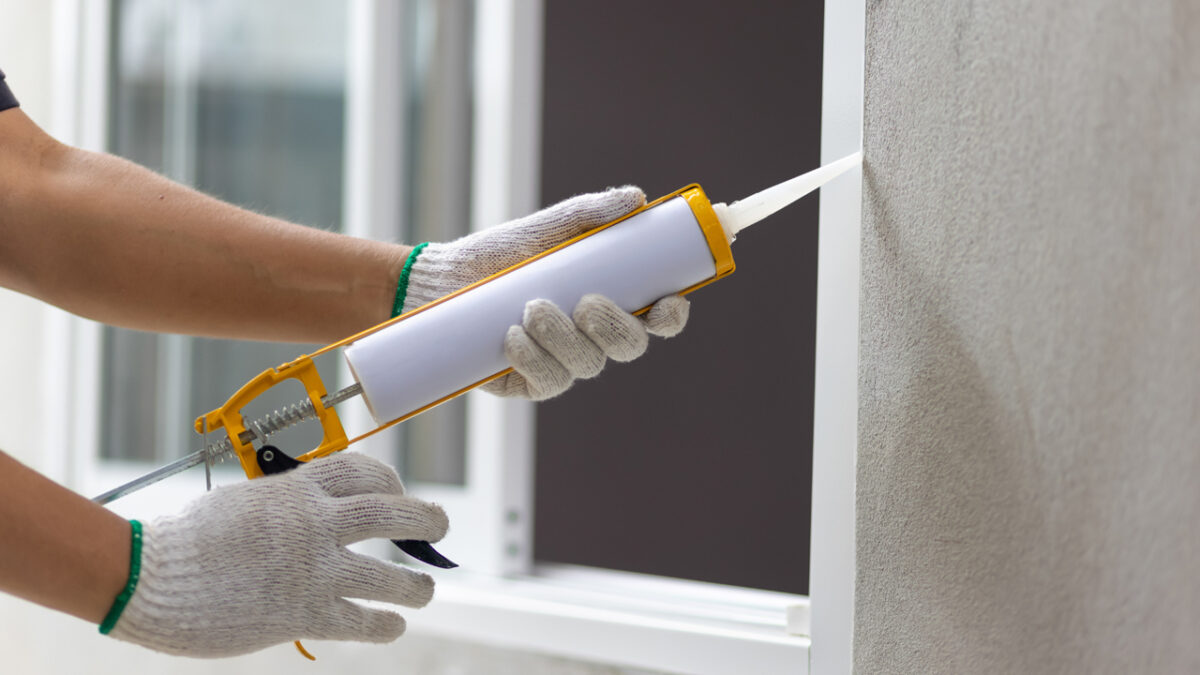
- Apply the Sealant Bead – A continuous bead of sealant along the gap between the glass and the frame is applied. Maintaining a steady hand and consistent pressure ensures an even application.
- Tool the Sealant Bead – Smoothing out the sealant bead using a caulk tool or your finger creates a uniform and professional appearance.
- Allow the Sealant to Cure – Following the manufacturer’s instructions for curing time is crucial. Silicone and urethane sealants typically require 24-48 hours to fully cure, while butyl caulk may cure in as little as 12 hours.
Additional Tips for Effective Sealing
Considering the climate, using a backer rod for wider gaps, and regular sealant replacement are additional tips for effective sealing:
- Consider the Climate – If you live in an area with extreme weather conditions, choosing a sealant specifically designed for those conditions is essential. Urethane sealants, for example, are known for their resistance to extreme temperatures and UV radiation.
- Use a Backer Rod – For wider gaps between the glass and the frame, employing a backer rod helps control the amount of sealant used and creates a more uniform seal.
- Replace Sealant Regularly – Over time, sealants can degrade due to exposure to weather, UV radiation, and mechanical stress. Regularly inspecting window seals for signs of cracking, peeling, or loss of adhesion is crucial. Replace the sealant if necessary to maintain optimal performance.
Maintenance and Long-Term Benefits
To reap the full benefits of proper sealing, a consistent maintenance routine is essential:
- Regular Inspection – Schedule regular inspections of your window seals. Look for any signs of wear, cracking, or gaps that may compromise their effectiveness.
- Cleaning and Preventive Care – Clean your window seals periodically to remove accumulated dirt, dust, and mold. Preventive care ensures they remain in optimal condition.
- Avoiding Harsh Chemicals – Harsh chemicals can degrade the sealant and compromise its effectiveness. Stick to mild cleaning agents to ensure the integrity of the seal over time.
- Professional Assistance – For more complex issues or if you’re uncertain about the condition of your window seals, seek professional assistance. Window repair specialists can conduct thorough assessments and provide tailored solutions.
- Consider Window Replacement – If your windows are considerably aged or damaged, it might be worth considering a replacement. Modern windows often come with advanced sealing technologies that enhance energy efficiency and overall performance.
Why is Proper Sealing Important?
Choosing the right sealant and applying it correctly are crucial steps in ensuring the longevity and effectiveness of your windows. Proper sealing, including how to seal glass in window frames, offers a range of advantages beyond immediate improvements in energy efficiency and aesthetics.
- Energy Efficiency and Comfort – Well-sealed windows act as a barrier against drafts, keeping your home warmer in winter and cooler in summer. This not only reduces your energy bills but also enhances the overall comfort of your living spaces.
- Protection Against Moisture Damage – Effective sealing prevents moisture from infiltrating your windows, safeguarding against issues like mold growth, wood rot, and structural damage. This is particularly vital in regions prone to heavy rains or high humidity.
- Noise Reduction – Airtight windows contribute to a quieter indoor environment by minimizing the transmission of external noises. This is especially beneficial if you live in a bustling neighborhood or near a busy street.
- Extended Window Lifespan – By creating a protective barrier against the elements, proper sealing adds years to the lifespan of your windows. This means fewer replacements and a more sustainable approach to home maintenance.
Partner with Euroline Steel Windows & Doors for High-Quality Glass Windows for Your Projects!
Our commitment to excellence extends beyond mere aesthetics; we deliver windows that stand the test of time, ensuring energy efficiency, structural integrity, and a touch of architectural sophistication.
Partner with Euroline Steel Windows & Doors, where craftsmanship meets innovation. Explore our extensive range of sealing solutions, meticulously crafted to ensure the performance and longevity of your windows. Trust Euroline Steel Windows & Doors for windows that not only meet but exceed the rigorous standards of architectural brilliance, including how to seal glass in window frames.
Enhance your projects with Euroline Steel Windows & Doors—a name synonymous with enduring quality and visionary design. Contact us today at 877-590-2741 for a consultation that aligns with your architectural vision.
